- Solutions
- Products
- Resources
- Company
 Investor Relations
Financial Information
- Careers
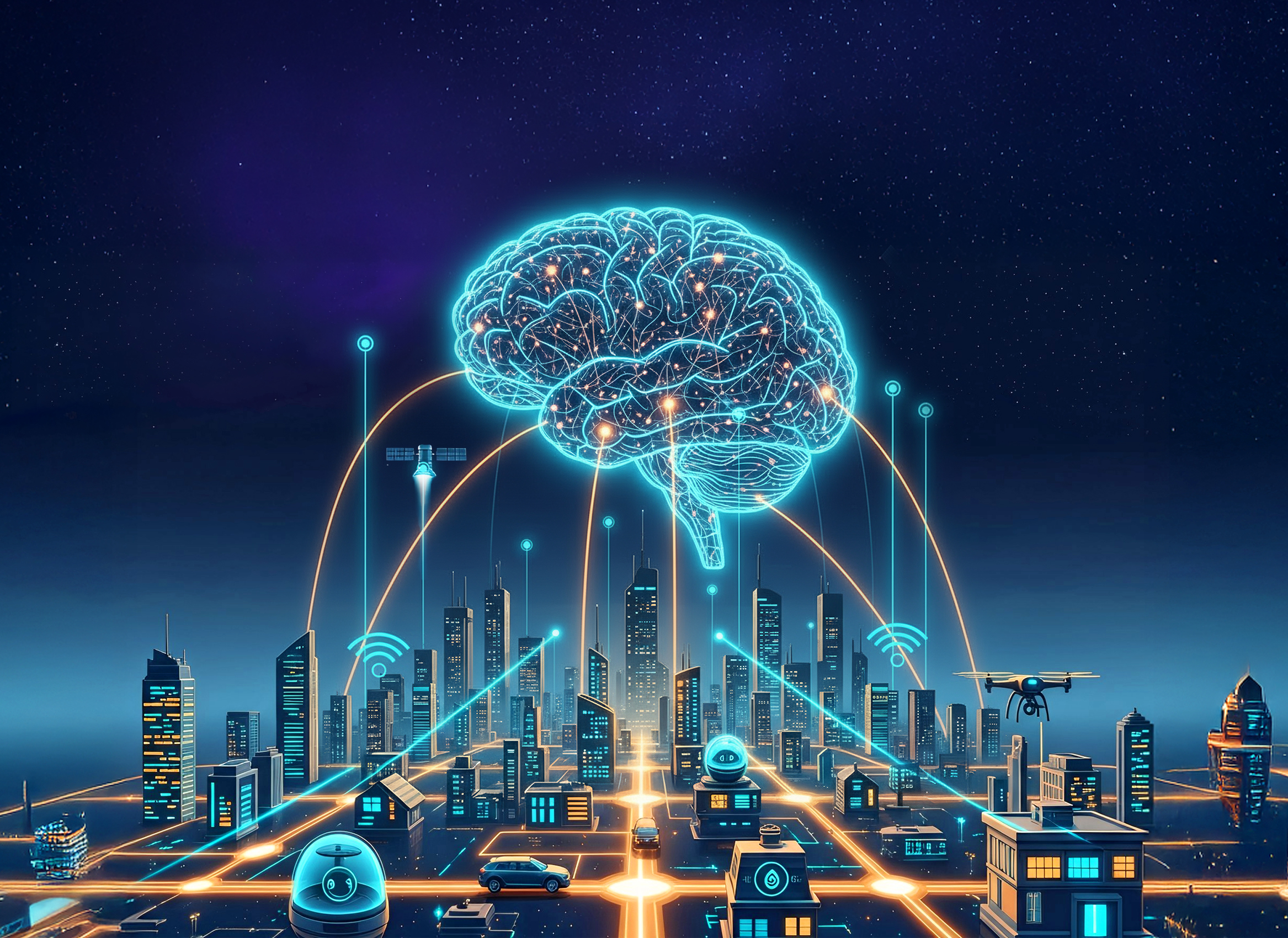
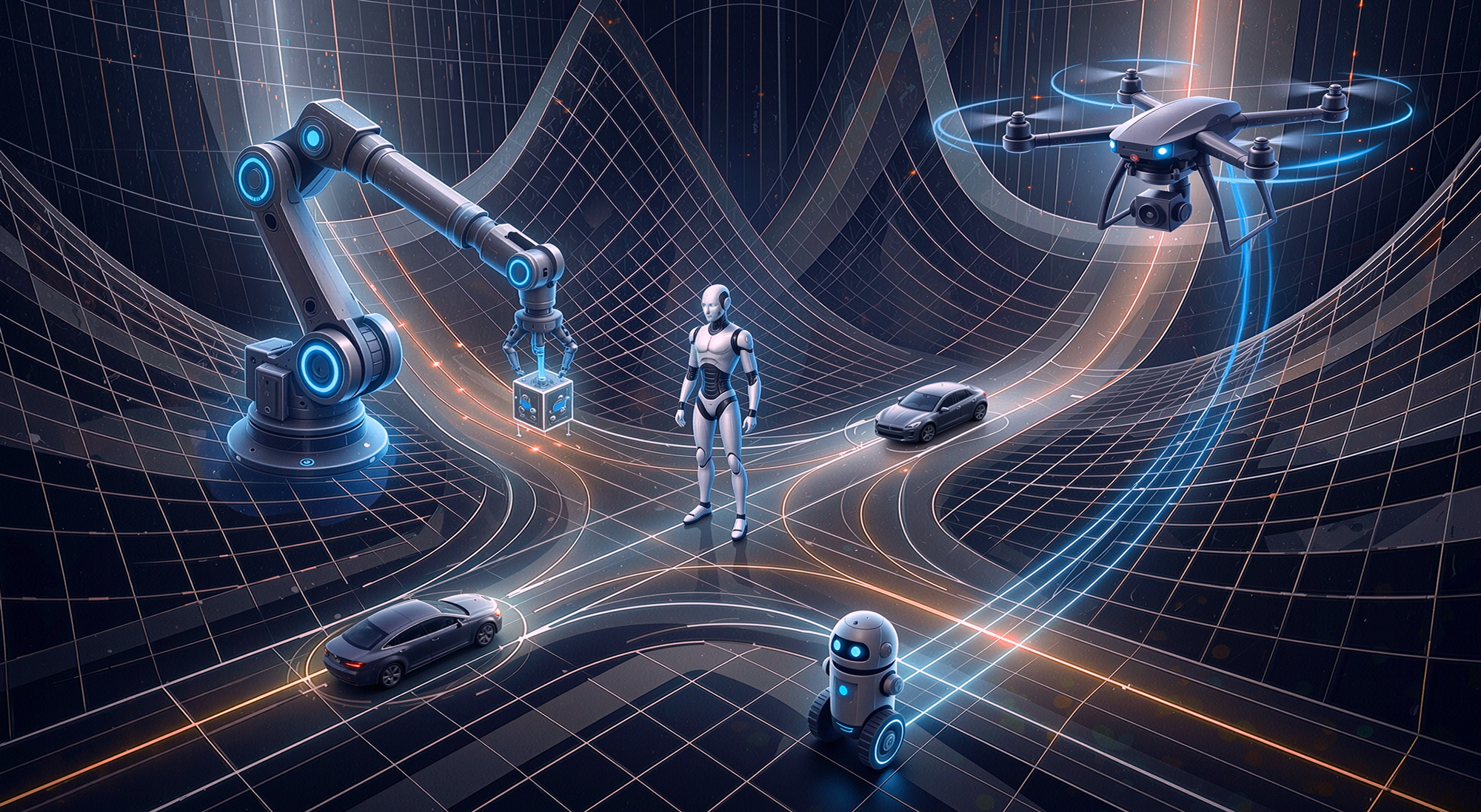
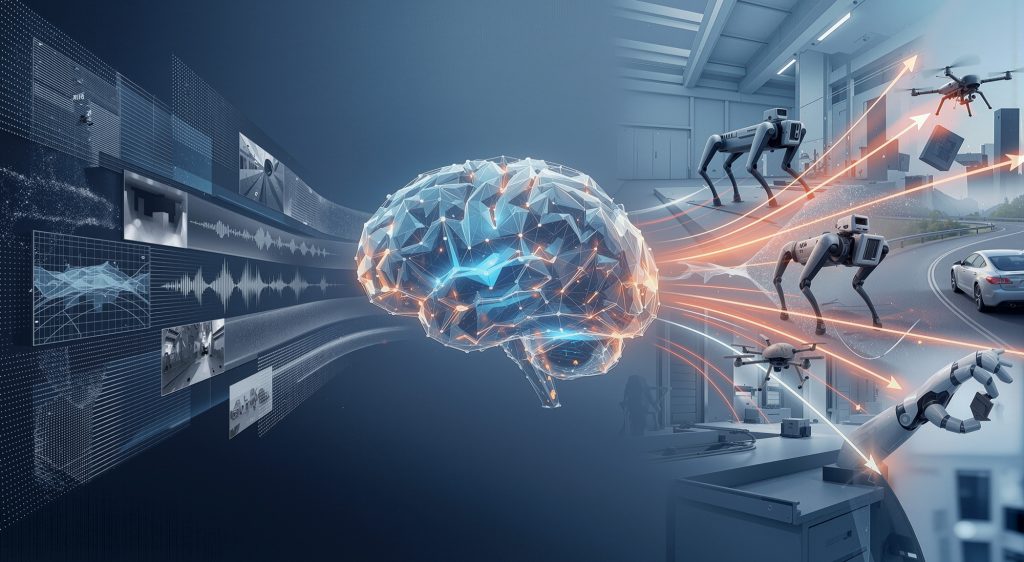
The future of AI is moving beyond the cloud and into the physical world. Physical AI allows machines to connect to and sense their environment, gather, process and analyze data, make and execute real time decisions including performing physical tasks, and learn and adapt to the world around them.
At Ceva, we call this foundation Ceva AI Fabric. This level of autonomy requires a new type of AI fabric, a foundational architecture consisting of connectivity, sensing and inference capabilities that are essential to build and scale physical AI systems.
Whether you need advanced wireless connectivity, low-power AI inference, or multi-modal sensing, Ceva acts as an extension of your engineering team, accelerating development and bringing your physical AI products to life.
Each day begins in a world quietly transformed by smart technology—where intelligence and connectivity power the way we live, work, and move. With over 21 billion Ceva-powered devices around the world, we’re enabling today – and powering what’s next in physical AI
1.What is Physical AI and how does it differ from traditional AI?
Traditional AI often focuses on processing data in the cloud or within software applications. Physical AI is the integration of intelligence directly into a device’s hardware, allowing machines to sense, reason, and act in the real world in real-time. By using on-chip IP, Physical AI handles complex tasks locally without the latency or privacy risks of relying on external servers.
2. How does on-device sensing enable smarter Physical AI for IoT?
Physical AI relies on “sensing modalities”—the ability for a device to see, hear, and feel using vision, sound, and motion sensors. By processing this data locally on Ceva’s sensing IP, IoT devices can make immediate decisions and preserve user privacy while significantly reducing the bandwidth required to send data to the cloud.
3. Why are connectivity and AI processing critical for automotive and industrial systems?
In mission-critical environments like autonomous vehicles or smart factories, latency can be a safety risk. Combining high-speed 5G connectivity with on-device AI ensures that devices communicate instantly while making split-second autonomous decisions. Ceva provides the unified baseband and AI fabric required to keep these systems both connected and intelligent.
4. How does Physical AI improve energy efficiency and response times?
Physical AI improves efficiency by moving AI workloads from the cloud to specialized Neural Processing Units (NPUs) directly on the edge hardware. This “local inference” drastically lowers power consumption and eliminates the delay of cloud round-trips, providing the ultra-low latency responses required for real-time physical interaction.
Get in touch
Reach out to learn how can Ceva help drive your next Smart Edge design